 ✕
✕Founder Stories
Almost everything in payments was designed around a human clicking a button. That era is over.
A city that already knows how to move money
Stockholm in September holds its light past ten at night, and Viggo had picked a spot for our first real conversation that made his point before he said a word: a converted print shop on Hornsgatan, three floors up, with the whole of Riddarfjarden laid out through the windows and a ferry crossing it every few minutes without a single passenger appearing to check a card reader. Every ticket, every coffee at the kiosk on the quay, every small transaction moving through this city runs on rails that Swedes stopped thinking about a decade ago. It is an easy country to build the future of payments in, because the present already looks a little like it.
Viggo talks about payments the way a sailor talks about tides, patient and almost fond, like something with its own schedule that nobody gets to argue with. I had expected a pitch. What I got, over two hours, was closer to a man explaining weather.

The fourth wave
“I have watched money learn to move in a new way four times now,” he said, turning his coffee cup a quarter turn without drinking from it, the way people do when they are about to tell you something they have told themselves many times before. In 2000 he was at Spray here in Stockholm, building websites while money started moving over the internet before anyone had agreed to call it ecommerce. At Spotify he watched streaming rewire how people pay for software, from ownership to subscription. In 2022 he founded a blockchain company, another moment when money wanted a new shape. Each time, some of the old rules survived and something new had to be built around them.
The fourth cycle is the one he is betting the company on. There is an actor in the economy now that has never existed before, the AI agent. It has a goal and a mandate to act, and it hits a wall the moment money enters the picture.
“Almost everything in payments was designed around a human clicking a button. The people who saw the agent wave first were AI people, not payments people. I had watched money find a new way to move three times before. I recognised the fourth.”
- Viggo Stenseth
A dreamer, a pragmatist, and the hacker between them
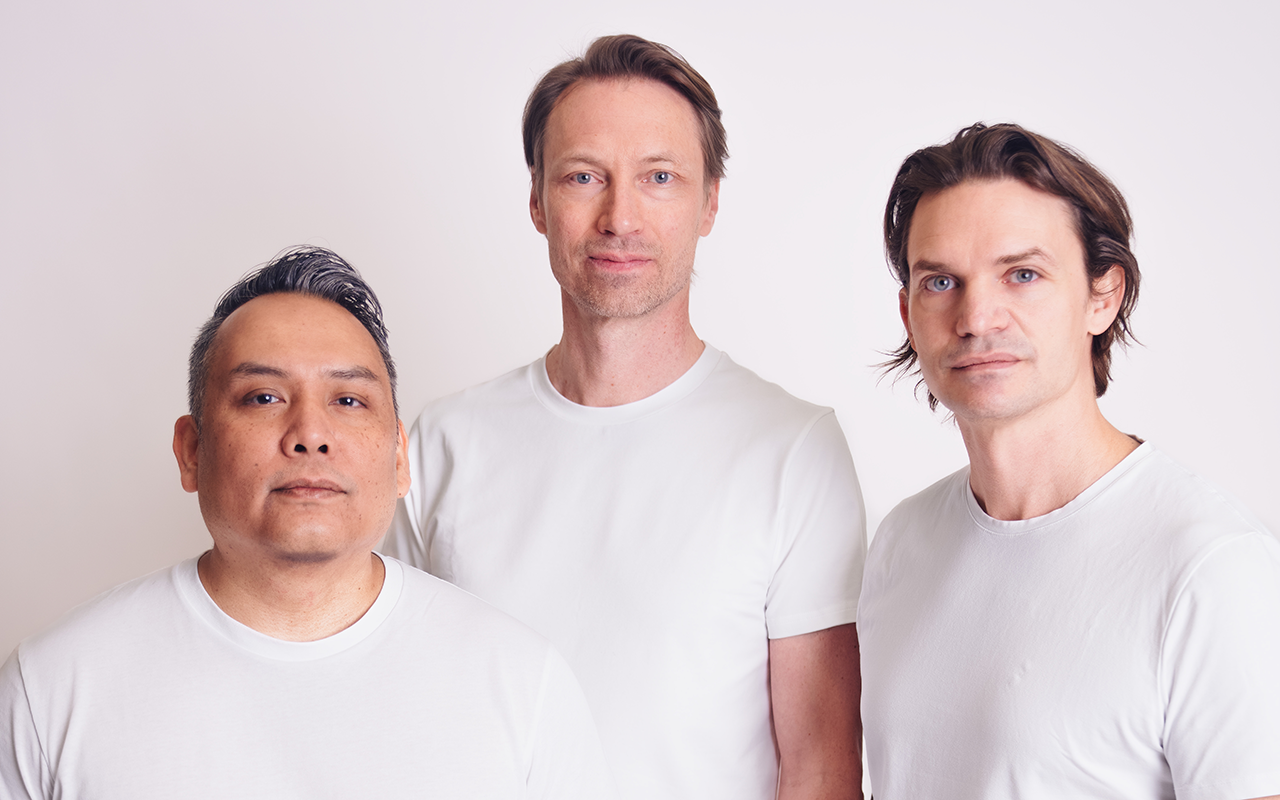
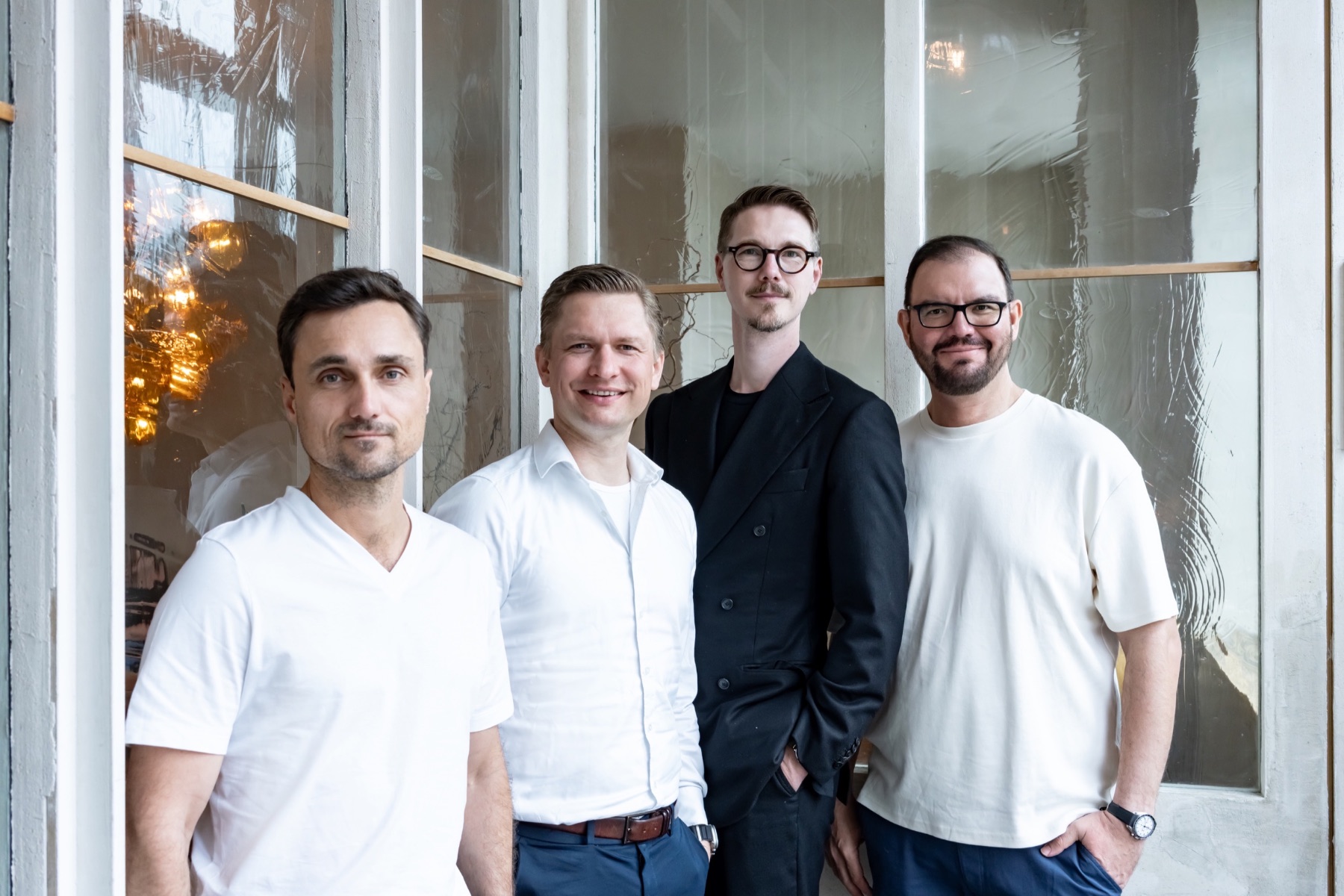
The office belongs, on paper, to three people, though only Viggo was in the room that afternoon. Ingemar Svensson joined by phone from a client site in Dubai, his voice arriving thin and slightly delayed through the speaker Viggo had propped against the window. Tommy Berglind wandered in halfway through with two paper bags of cinnamon buns and an apology about a delayed train on the tunnelbana.
Viggo is the hacker in this configuration, a title he carries with a specific kind of pride. His role is defined by a deep-seated need to take systems apart and put them back together again, driven by the conviction that you cannot truly understand how a piece of technology works, or where it might fail, until you have seen its guts laid out on a workbench. It is this mindset that translates the dreamer's ambition and the pragmatist's constraints into the actual architecture of the fourth wave.
Ingemar is the one Viggo calls the dreamer, an investment banking technology veteran who first sketched what became SolvaPay on the back of a client presentation he was supposed to be finishing. “He is the one who insists we aim at the whole thing rather than a feature,” Viggo said. Down the phone line, tinny and half a beat behind, Ingemar put it more bluntly: “If you are only going to solve the easy half of the problem, do something else with your life.” Coming from someone who spent a decade inside institutions built to reward caution, the line carried a certain weight.
Tommy is the pragmatist, the one who, in Viggo's phrase, never stops advocating for the user, and also the reason the other two are in a room together at all. He and Ingemar had worked together before. He and Viggo go back years further than that, through skydiving, techno and code, three pursuits that reward the same instinct: trusting a system you did not build and cannot fully see. “We found each other before we found the idea,” Tommy said, setting the cinnamon buns down like evidence. “The trust came first. The company came later.”
Between the three of them they have built payment infrastructure across Spotify, Handelsbanken, Bank ofAmerica,Merrill Lynch, and Barclays. Interestingly, their deep expertise in existing infrastructure produced a deep-seated conviction that existing rails need to be overcome and rebuilt from the ground up.
“A dreamer, a pragmatist and me in between means an idea gets pushed to its most ambitious version and pulled back to something we can actually ship, often in the same conversation.”
- Viggo Stenseth
The friction, Viggo admitted, comes from the same place as the strength. In a team this small, working a problem with no natural edges, the three of them are constantly switching between discovery and delivery, sometimes several times inside one afternoon. Knowing when to keep dreaming and when to close the laptop and ship, he said, is the hardest rhythm they have found.
The night of the tweet
He traces the real conviction back to a headline, scrolled past on an ordinary evening at home in late 2024. Marc Andreessen had sent bitcoin to an AI agent on X so that it could self improve and spread out into the wild on its own. Viggo stayed up most of that night and wrote a full page in his journal about why the world needed what he called an agentic bank, because the financial system as it stood had nowhere to put what he had just watched happen.
“Agents were still fairly unsophisticated back then, to be fair,” he said. “And soon after, the big card networks put out headline announcements about agentic SDKs that turned out to be mostly empty under the hood.” That combination, a real glimpse of the future sitting beside incumbents clearly caught off guard by it, stuck with him. He called Ingemar within the month. The three of them started building together in August 2025.
The checkout page is already dead
Viggo's counterintuitive bet, the one most people in payments still consider premature, is that you build for in chat and in agent payments now, before any of the standards have settled. “Most sensible people say it is too early,” he said. “Agent payments are not mainstream yet, the protocols are still moving, regulation is unclear. We bet the opposite way. In payments, the winners get decided before the category is obvious, never after.”
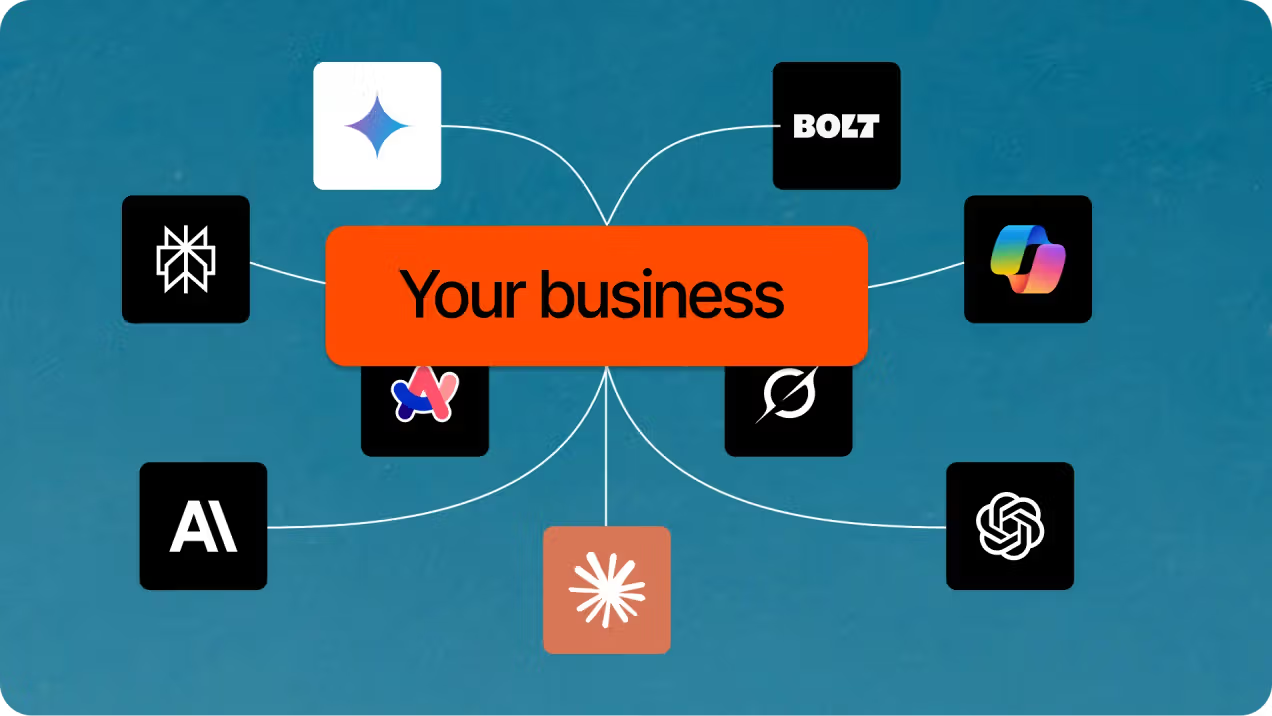
In practice that means a zero code wedge that captures revenue where users already are, inside Claude, inside Cursor, inside ChatGPT, while the larger agentic payment layer gets built underneath it.
“The old checkout assumes the user leaves the workflow. They are in a conversation, they hit value, and then they are sent somewhere else. Every step along the way is a place to lose the sale. The next storefront is the conversation itself.”
- Viggo Stenseth
Betting on the bridge
The decision Viggo is proudest of, in hindsight, was going early on MCP, back when it was still contested and far from an obvious standard. “We saw it as a versatility bridge,” he said, “the connector that lets a business plug into the agentic economy. The one thing it was missing was a payment layer. That is exactly what we added.” A business becomes payable now, with a human in the loop today, and ready for full agent to agent transactions once that arrives.
The honest answer about money
I asked him directly about the funding gap, SolvaPay's two point four million euro pre seed against competitors who have raised considerably more. He answered without much hesitation.
“At this stage the currency that matters is whether you have earned the right to raise again by proving traction, more than how much you have already raised. Capital buys speed, but it can also lock you into a bet before the ground settles, and in this market that is a real risk.”
- Viggo Stenseth
On Skyfire and Nevermined specifically, he was more generous than most founders manage to be about their competition. “I am impressed by them for going extremely early, effectively the first to test agent payments in the wild. Their crypto bet looked like a natural fit for agents, and I am convinced crypto will end up somewhere in this infrastructure eventually. The front of this market, though, still runs through the regulatory and financial layer, and that moves slowly. You can already see both of them drifting back toward more conventional approaches. We are betting on meeting money where it actually moves today.”

The ferry back
We left as the light turned long and copper over the water, the kind of Stockholm evening that makes the whole city look freshly rinsed. Tommy walked us down to the quay, still talking, the way people do when they have said something true out loud for the first time in a while and cannot quite stop. Ingemar's voice was still faintly audible from Viggo's phone, propped in his jacket pocket, arguing some final point about the roadmap that nobody was going to resolve that evening.
Standing at the quay, watching the same contactless ferry that had made the point before anyone opened their mouth, I kept coming back to a plain fact. This team had, between them, spent years inside the institutions that built the last version of how money moves, and had chosen to walk out and build the next one with almost nothing borrowed from the old one. Viggo said something on the way down that stayed with me longer than any of the numbers he had given me that afternoon. Money is about to be able to carry a goal, to act in someone's interest, to work quietly in the background while nobody is watching it. It sounds almost too simple, until you sit with what it actually means.
Redstone invested in SolvaPay because the founding team has lived through three prior cycles of money changing how it moves and is betting, in our view correctly, that AI agents are the fourth. The company's early wedge into zero code, in agent payments earns it real transaction volume now, while its early bet on MCP positions it as the payment layer underneath the wider agentic economy as it matures.
Redstone is one of the most active European early stage VCs and holds a top decile track record across its sector funds.



.jpeg)